
Holiday Feasts & Food Allergies: How Medical Assistance Helps When Kids React Abroad
Learn how medical assistance services protect food-allergic children during holiday travel, from planning to emergency support abroad.

Traveling during the December holidays feels magical—bright lights, festive meals, new destinations, and time spent with loved ones.
But for families with children who have food allergies, the excitement can quickly transform into anxiety. Holiday buffets, unfamiliar cuisines, and ingredients hidden in seasonal dishes can pose real dangers. A seemingly harmless dessert or a mislabeled meal can trigger a life-threatening reaction.
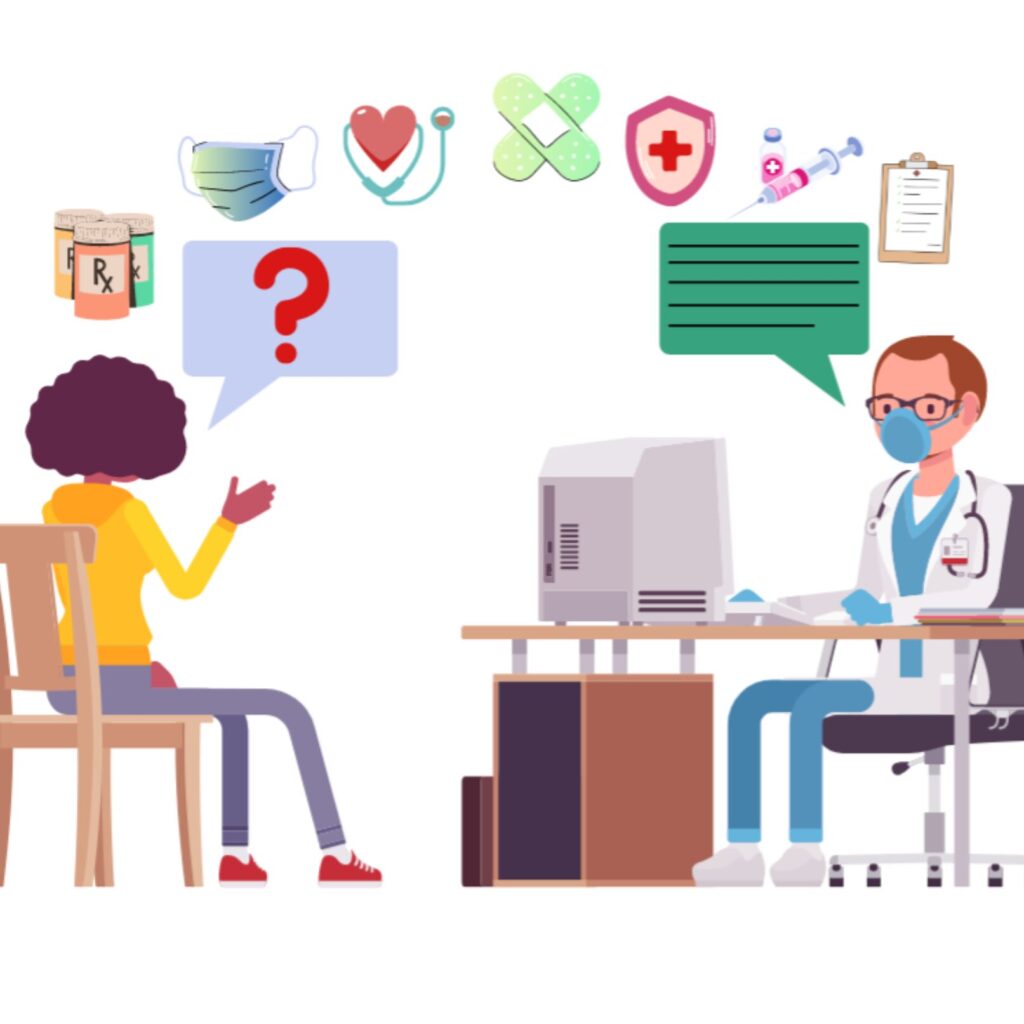
This is why Holiday Medical Assistance Services have become essential for allergy-sensitive families traveling abroad. These services include travel-medical insurance, 24/7 emergency hotlines, replacement medications, evacuation options, and access to doctors who can diagnose and treat allergic reactions—no matter where you are in the world.
Why Food Allergies Matter, Especially During December Holidays
December is one of the riskiest travel months for children with food allergies. Holiday meals often include rich, traditional dishes with hidden allergens, from nuts blended into pastries to shellfish-based broths and dairy-heavy desserts. Festive settings—buffets, potlucks, local delicacies, and homemade family recipes—make ingredient lists unpredictable.
Language barriers further complicate things when traveling abroad. A simple question like “Does this contain nuts?” may not be fully understood, and cross-contamination in busy kitchens becomes harder to avoid. Combined with crowds, rushed preparations, and distracted hosts, holiday meals become a perfect storm for accidental exposure.
What Are Holiday Medical Assistance Services?
These are specialized support systems designed to protect travelers with medical needs—especially food allergies. They go beyond regular travel insurance and can include:
- 24/7 emergency medical hotlines
- Help locating nearby hospitals or English-speaking doctors
- Access to allergy medications and replacements
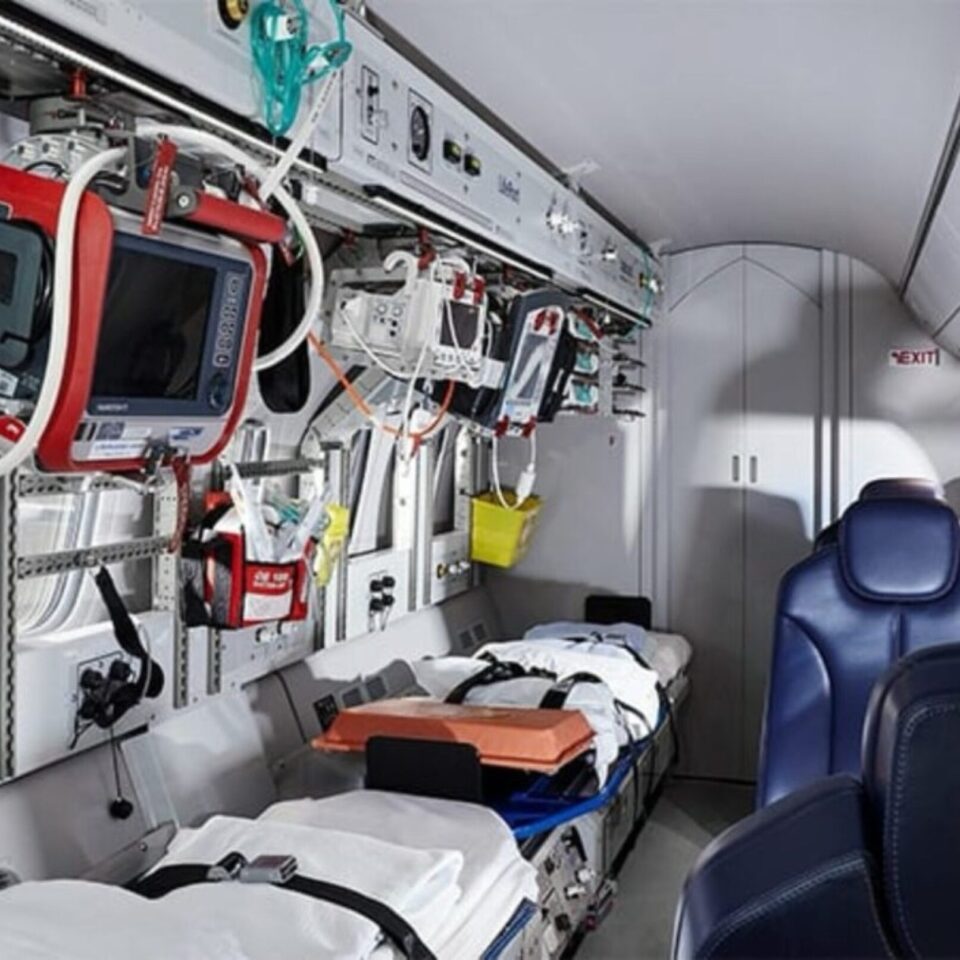
- Emergency transportation or medical evacuation
- Support filing insurance claims
- Coverage for allergy-related medical treatment and hospitalization
For families with allergic kids, these services remove uncertainty. Instead of navigating an emergency alone in a foreign country, you gain expert guidance, financial protection, and immediate access to care.
Pre-Trip Planning: Essential Steps for Allergic Families
Start preparations well before departure:
Consult Your Doctor
Update prescriptions, review your child’s allergy action plan, and request a travel letter describing their allergy and required medications.
Prepare Documentation
Carry multiple copies of prescriptions, medical notes, and dosage instructions. These support border checks, hotel requests, or emergency consultations.
Pack Smart
Create a dedicated allergy travel kit with medication, translations of allergens in the destination’s language, and safe snacks for emergencies.
Map Local Care Facilities
Identify hospitals or clinics near your destination. In emergencies, every minute matters.
Planning ahead gives you control over unpredictable situations.
Packing Smart: Allergy-Friendly Travel Kit Checklist
Your travel kit should always include:
- Two or more epinephrine auto-injectors
- Antihistamines and prescribed medications
- A doctor’s letter and original prescription labels
- An insulated storage pouch for temperature-sensitive medication
- Safe snacks to avoid uncertain meals
- Wipes to clean surfaces and reduce cross-contamination
Think of this kit as your child’s medical passport. Never leave home—or the hotel—without it.
Safe Eating Abroad: Navigating Holiday Feasts
Eating out is one of the most enjoyable parts of holiday travel. For allergic children, it’s also where most risks lie.
Tips for safer dining:
- Research allergy-friendly restaurants before arrival
- Use allergy translation cards when communicating with staff
- Ask about cooking oils, utensils, and preparation surfaces
- Avoid buffets and dishes with hidden or mixed ingredients
- When uncertain, choose simple foods with fewer variables
If dining out feels risky, stay somewhere with kitchen access. Preparing your own meals gives full control and removes guesswork.
Travel Logistics: Flights, Hotels, and Transport
Food allergies don’t disappear once you board a plane or check into a hotel. To minimize risk:
- Notify airlines and hotels in advance
- Pre-board flights to clean tray tables and seating areas
- Carry medication in your hand luggage, never in checked bags
- Choose accommodations that allow you to prepare food
- Avoid relying solely on airline or hotel meals
Being proactive prevents surprises in environments you don’t control.
What to Do If an Allergic Reaction Happens Abroad
Reacting quickly is vital:
- Administer epinephrine immediately—don’t wait
- Call local emergency services
- Use your medical assistance hotline for guidance and referrals
- Keep documentation to support insurance claims
Parents often underestimate how stressful an allergy emergency can be in a foreign country. Having a clear plan turns panic into action.
Why Medical Assistance Services Are Essential
These services bridge the gap between preparation and real-world challenges.
They guide families through foreign medical systems, help find specialists, assist with medication replacement, and cover emergency costs. Without them, parents are left navigating hospitals, language barriers, and unexpected bills on their own.
For allergic children, this safety net isn’t optional—it’s lifesaving.
Conclusion
Holiday travel with a food-allergic child doesn’t have to be stressful or limiting. With thoughtful preparation, clear communication, and dependable Holiday Medical Assistance Services, you can enjoy December adventures without fear overshadowing fun.
Safety isn’t about eliminating risk—it’s about managing it. When your family has medical support, the right insurance, and an action plan, the holidays once again become what they’re meant to be: joyful, warm, and unforgettable.
FAQs
Does travel insurance always cover food allergies?
No. You need a plan that specifically covers food allergies and anaphylaxis.
How many epinephrine pens should we pack?
At least two—one primary and one backup.
Are allergy translation cards necessary?
Yes. They prevent misunderstandings when ordering food abroad.