
Medical Assistance for Traveling New Parents: Because Babies Don’t Stick to Schedules
How Medical Assistance Services Support New Parents Traveling with Babies

Traveling as new parents is both exciting and unpredictable.
Between nap schedules, feeding times, and the occasional mid-flight meltdown, babies rarely follow the plan. What’s even harder to predict is what happens if your baby gets sick abroad or you suddenly need medical help in a foreign country.
That’s where medical assistance services come in — ensuring that even when life throws a curveball mid-vacation, your family isn’t left stranded.
Why Families with Babies Need Medical Assistance Services
Babies don’t adjust easily to new environments. Time zone changes, new food exposures, and unfamiliar climates can lead to fevers, dehydration, ear pain, or allergic reactions. Unlike adults, infants can deteriorate quickly, and navigating care in a different country adds another layer of stress.
Medical assistance services are designed precisely for these moments. They give families instant access to help — connecting you with trusted doctors, arranging translations, or even coordinating emergency evacuations. Think of it as having a pediatric lifeline that never sleeps.
The biggest difference from regular travel insurance is immediacy. While insurance reimburses expenses, assistance services handle logistics in real time — from finding English-speaking doctors to securing hospital transport or replacing prescriptions.
What These Services Actually Include
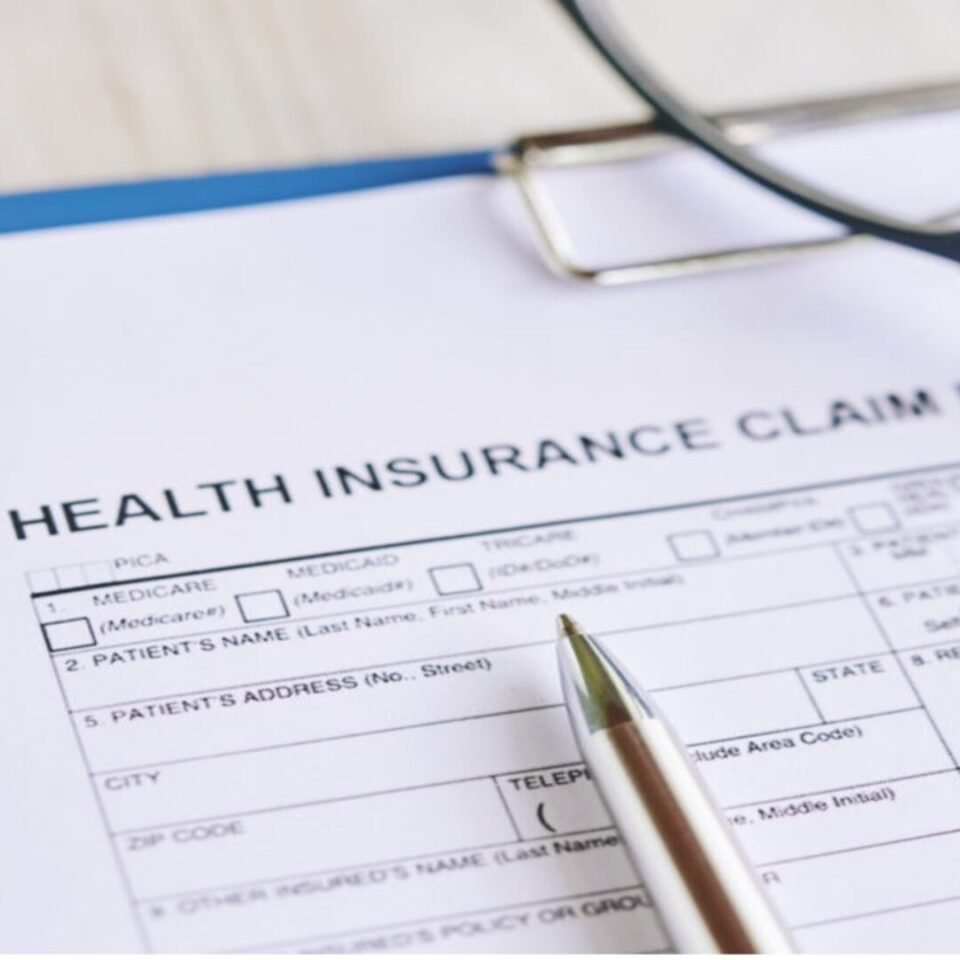
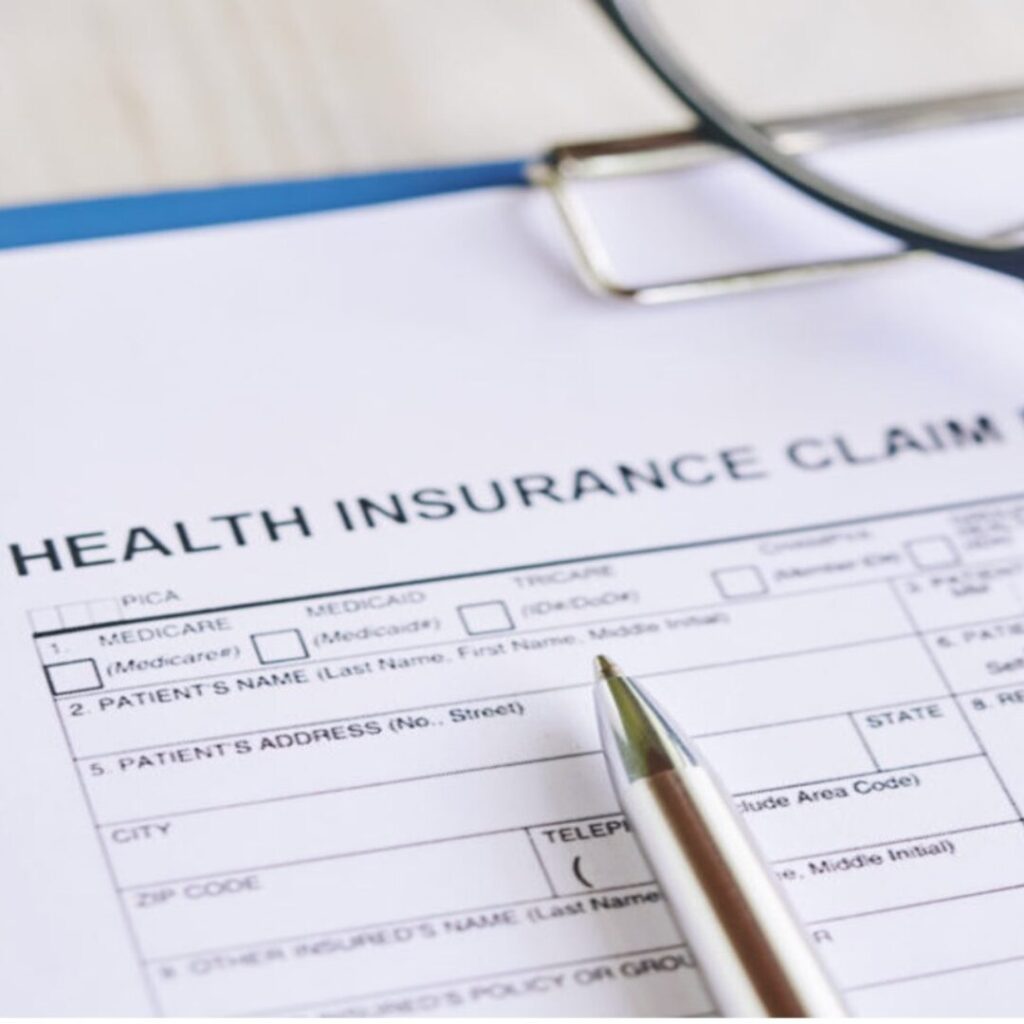
When you enroll in a travel plan that includes medical assistance, you gain far more than a claim form. The key features often include:
- 24/7 multilingual hotlines for urgent medical questions
- Local doctor or hospital referrals vetted for pediatric care
- Medical evacuation and repatriation if proper treatment isn’t available locally
- Prescription replacement and medical monitoring during hospitalization
- Tele-medicine consultations, often through secure mobile apps
Most importantly, these services guide you through what to do next — a comfort when you’re panicking in an unfamiliar place. However, note that assistance doesn’t always cover the cost of treatment itself. It coordinates and supports your care. Always verify if your policy includes both logistical support and financial coverage.
Choosing the Right Travel Protection
Not all travel policies cover babies automatically. Before you book, confirm that your medical assistance service explicitly includes infants and family members.
Start by reviewing your baby’s health profile — any recent illnesses, allergies, or conditions that might affect coverage. Then, compare providers. Choose one with a wide international network and proven experience handling pediatric emergencies. The best services coordinate directly with hospitals, manage translation, and cover medically necessary return travel.
Also check exclusions carefully. Some policies restrict coverage for pre-existing conditions, premature babies, or destinations with travel advisories. If possible, call your provider’s hotline before traveling and ask a few scenario-based questions (for example, “What happens if my baby develops a fever at 2 a.m. abroad?”). How they respond is often the best indicator of reliability.
Pre-Trip Medical Preparation
Before you take off, add a pre-trip medical checklist to your packing list.
- Schedule a pediatric visit. Make sure your baby’s vaccinations are current and discuss destination-specific risks.
- Research the local health landscape. Understand what illnesses are common, and locate the nearest hospitals to your accommodation.
- Inform your assistance provider. Register your baby’s details so they can act quickly in an emergency.
- Prepare a health dossier. Include copies of vaccination records, prescriptions, emergency contacts, and your assistance policy number.
A simple extra step: save your assistance hotline number on your phone’s favorites list and write it down in your diaper bag. Emergencies rarely wait for Wi-Fi.
Packing a Baby-Friendly First-Aid Kit
Your standard adult first-aid kit won’t do. For babies, precision and safety matter. Pack:
- Infant-safe fever and pain relief (acetaminophen or ibuprofen)
- Digital thermometer
- Rehydration salts
- Adhesive plasters and antiseptic wipes
- Nasal aspirator and baby-safe antihistamine
- Hydrocortisone cream for minor rashes
Include clearly labeled dosage instructions and a small printed chart in case someone else needs to administer medication. Keep a power bank for tele-health calls or online consultations if needed.
An overlooked trick: create a small “night-time emergency pouch” with essentials you’d need if your baby wakes ill in the middle of the night. Keep it within reach during flights or road trips.
Using Medical Assistance While Traveling
If your baby becomes sick while abroad, stay calm and use your medical assistance service immediately. The process is simple:
- Call the 24/7 hotline. Explain symptoms and location. They’ll connect you to the nearest pediatric-qualified clinic.
- Follow their guidance. They may send a doctor to your hotel or direct you to a partner hospital.
- Keep all receipts and reports. These will be useful for follow-up and claims.
Knowing when to escalate matters. A mild fever may need a quick consultation, but signs like persistent vomiting, rash with fever, or breathing difficulty require urgent help. In serious cases, the assistance team can coordinate evacuation to the nearest facility equipped for infants.
These services also help with small but stressful issues — like replacing lost medications or translating prescriptions abroad. For traveling families, that kind of support can make all the difference.
Traveling by Air, Road, or Sea with a Baby
Different travel modes bring different medical risks.
Flying: Cabin pressure can cause ear discomfort, especially during take-off and landing. Feeding or using a pacifier helps equalize pressure. Hydration is crucial because cabin air is dry. Always pack extra formula or water, as delays can be unpredictable.
Road trips: Long hours in a car seat can cause fatigue or motion sickness. Plan breaks every couple of hours, and keep the first-aid kit within arm’s reach. Save local emergency numbers in advance.
Cruises and remote destinations: Ships and island resorts often have limited medical facilities. In these cases, medical evacuation and repatriation become essential parts of your coverage. Confirm that your assistance service can coordinate directly with onboard medical staff or local hospitals.
In every scenario, remember: your baby’s comfort and safety come first, even if that means adjusting your itinerary.
After the Trip: Follow-Up Care and Documentation
Once home, monitor your baby closely for any lingering symptoms, especially after visiting tropical or high-risk areas. Schedule a quick check-up if your child developed any illness abroad.
Keep all medical receipts, prescriptions, and reports — they’re required for claims and can help your pediatrician understand what treatments were given overseas. Some assistance providers also request post-trip reports to close your case file.
A simple “travel health log” noting symptoms, feeding patterns, and medications can make future consultations smoother — and provide peace of mind that you’ve covered every detail.
Beyond the Usual Travel Advice
Traveling with a baby isn’t just about logistics — it’s about understanding how small disruptions affect health. A skipped nap or delayed meal can weaken immunity or trigger discomfort that leads to bigger issues.
Families with twins or babies born prematurely should look for enhanced coverage, ideally with access to pediatric specialists abroad. Cultural differences in healthcare are another hidden challenge: some destinations may not have dedicated infant wards or English-speaking staff. Your assistance provider becomes the bridge, ensuring your baby receives the right care regardless of location.
By anticipating these nuances, you go beyond basic preparedness — you build true travel resilience as new parents.
Conclusion
Traveling with a baby adds both wonder and unpredictability to your journey. You can’t control every delay, spill, or fever — but you can prepare for them. With medical assistance services, you gain more than emergency support; you gain confidence. Knowing there’s always a professional to call, a hospital to rely on, and a plan in place turns fear into peace of mind.
FAQs
Does my baby automatically have coverage under my travel insurance?
Not always. Check that your policy lists infants as covered travelers and includes medical assistance benefits tailored for families.
What happens if my baby needs emergency evacuation?
Your assistance provider arranges transport to the nearest qualified facility or home country, often with specialized medical escorts and infant equipment.
Can I call the hotline for small issues like a mild rash?
Absolutely. Early consultation helps prevent minor issues from becoming emergencies.