Telemedicine in Flu Season: Fast
Medical Advice Without Risky Clinic
Visits
Telemedicine in Flu Season: Safe Medical Advice at
Homed lost items.
Flu season can be one of the most challenging times of the year for families, especially those caring for young children, older adults, or both.
When symptoms appear, many people hesitate to visit clinics or urgent care centers because waiting rooms are often crowded with other sick patients. Unfortunately, this hesitation can delay treatment or increase the risk of exposure to additional viruses.
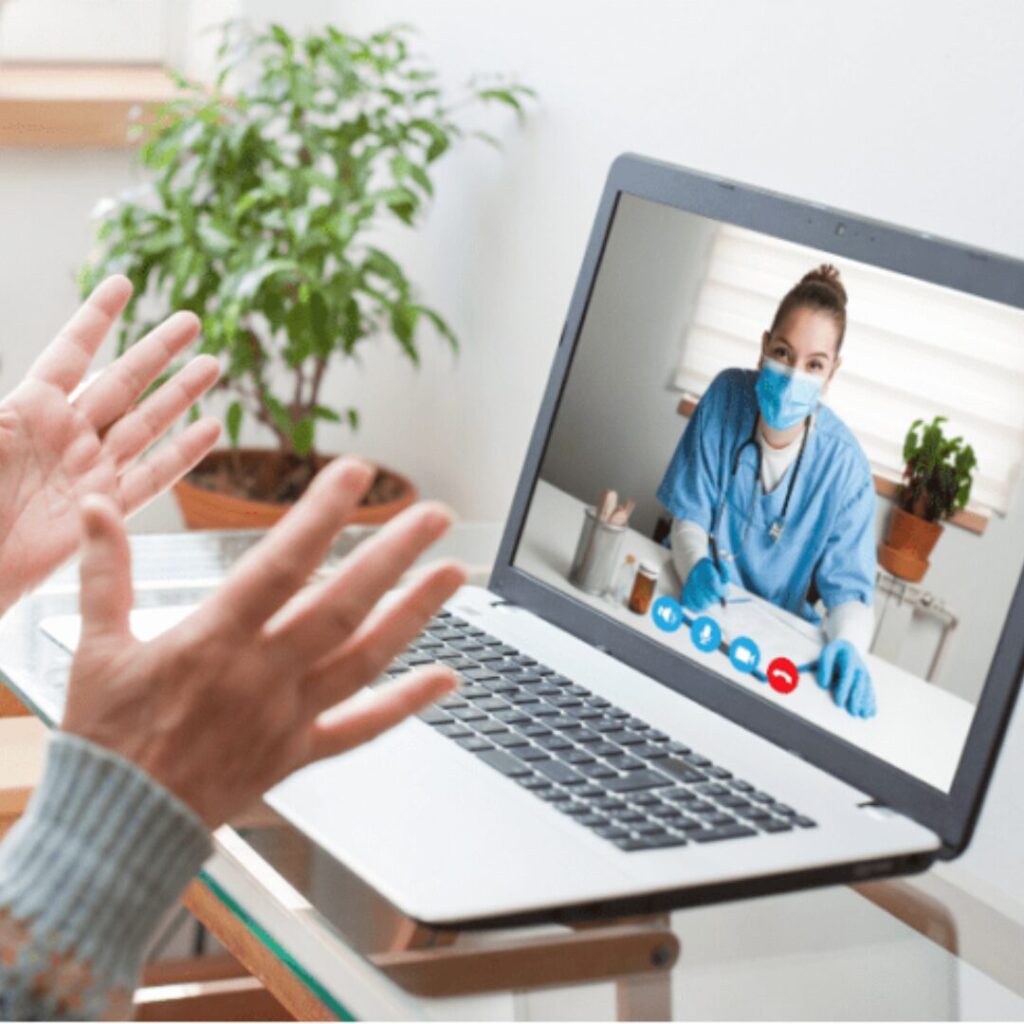
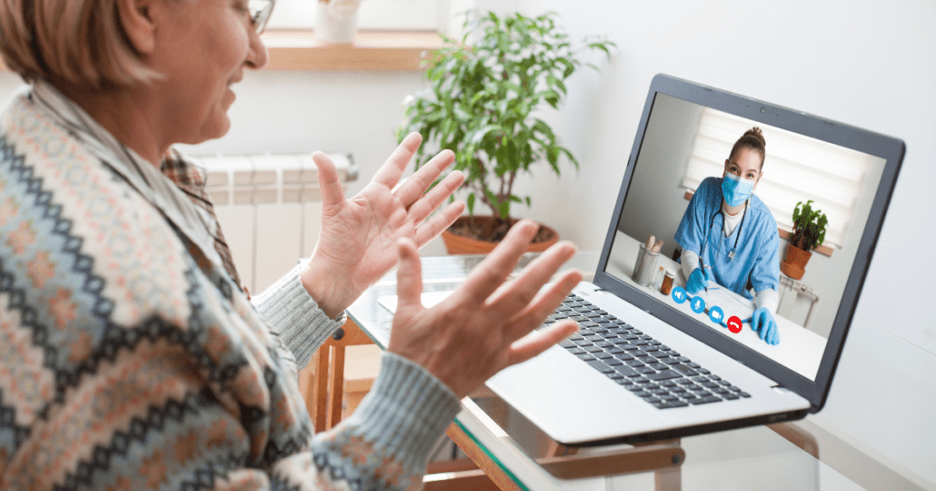
Telemedicine offers a safer, faster alternative. Through virtual medical consultations, families can access professional medical advice from home without unnecessary exposure.
What Is Telemedicine?
Telemedicine, also known as telehealth or virtual care, allows patients to consult licensed healthcare providers remotely using video calls, phone calls, or secure messaging platforms. Instead of traveling to a clinic, families can speak directly with a medical professional using a smartphone, tablet, or computer.
This approach is especially helpful during flu season because it removes the need for physical contact while still providing timely medical guidance. Telemedicine can be used for symptom evaluation, treatment recommendations, follow-up care, and, when appropriate, prescription medications.
Why Flu Season Makes Telemedicine Essential
During flu season, clinics and hospitals often see a surge in patients with respiratory symptoms. These environments can unintentionally increase the risk of virus transmission, especially for individuals with weaker immune systems.
Telemedicine reduces this risk by allowing patients to remain at home while receiving medical advice. This approach helps limit the spread of illness, protects vulnerable family members, and reduces strain on healthcare facilities during peak periods.
How Telemedicine Helps Families Stay Safe
For Parents of Young Children
Children are particularly susceptible to viral infections, especially those in school or daycare settings. Bringing a sick child into a waiting room can expose them to additional illnesses and increase stress for parents.
Telemedicine allows parents to consult a healthcare provider quickly without leaving home. Parents can receive guidance on symptom management, medication use, and whether further care is necessary—all while keeping their child comfortable in a familiar environment.
For Caregivers of Older Adults
Older adults face higher risks from flu complications, especially those with chronic health conditions. Traveling to clinics can be physically exhausting and increase exposure to other illnesses.
Virtual medical visits provide caregivers with an efficient way to monitor symptoms, review medications, and receive professional advice without placing seniors at unnecessary risk. This added layer of safety offers peace of mind for families.
Early Intervention Matters During Flu Season
Flu treatment is most effective when started early. Antiviral medications often work best within the first two days after symptoms begin. Unfortunately, delays in scheduling in-person appointments can cause families to miss this critical window.
Telemedicine allows patients to access care quickly—often on the same day symptoms appear. Early intervention can shorten illness duration, reduce symptom severity, and help prevent complications, especially for high-risk individuals.
Cost and Convenience Compared to Clinic Visits
Telemedicine visits are often more affordable than traditional in-office appointments. Families save money on transportation, parking, and missed work or school time. Appointments are typically shorter and easier to schedule, making them more practical for busy households.
The convenience of accessing care from home also reduces stress, particularly when caring for a sick child or elderly family member who may struggle with travel.
What to Expect During a Virtual Flu Consultation
A typical telemedicine visit includes a review of symptoms, medical history, and current medications. The healthcare provider may ask questions, observe visible symptoms, and provide guidance on treatment and home care.
If necessary, prescriptions can be sent electronically to a local pharmacy. Patients also receive advice on warning signs that may require in-person care and instructions for follow-up if symptoms change.
Choosing the Right Telemedicine Service
When selecting a telemedicine provider, families should consider availability, provider qualifications, prescription capabilities, and privacy standards. Services that offer round-the-clock access and experience with pediatric or senior care may be especially valuable during flu season.
Data security is also important. Choose platforms that protect personal health information and follow medical privacy regulations.
When In-Person Care Is Still Necessary
While telemedicine is highly effective for many flu-related concerns, it is not suitable for every situation. Severe symptoms such as difficulty breathing, chest pain, persistent high fever, confusion, or signs of dehydration require immediate in-person medical attention.
Telemedicine providers can help determine when a clinic or emergency visit is necessary and guide families on next steps.
Conclusion
Flu season brings added health concerns for families, particularly those caring for young children or older adults. Telemedicine offers a practical solution by combining safety, speed, and professional medical guidance without the risks associated with crowded healthcare settings. By enabling early intervention, reducing exposure, and improving access to care, virtual medical services have become an essential part of modern healthcare.
While telemedicine cannot replace all in-person care, it plays a critical role in managing flu symptoms efficiently and responsibly. Families who understand how and when to use telemedicine can approach flu season with greater confidence, protecting both their health and peace of mind.
FAQs
Can telemedicine diagnose the flu?
Yes. Providers can assess symptoms remotely and recommend appropriate treatment.
Is telemedicine safe for seniors?
Yes. It reduces exposure risks and supports ongoing care from home.
Can prescriptions be issued through telemedicine?
In many cases, yes, including antiviral medications when appropriate.