
Medical Assistance vs. Health Insurance: Understanding the Difference
Medical assistance vs. health insurance: learn the key differences and why global travelers need support during emergencies abroad.

Traveling across borders brings opportunity, freedom, and discovery—but it also brings medical uncertainty.
A sudden illness, accident, hospital admission, or need for evacuation can become difficult to manage when you are far from home, unfamiliar with the local healthcare system, or unable to speak the local language. This is where medical assistance becomes distinct from health insurance.
Health insurance generally helps pay for eligible medical costs, while medical assistance provides real-time support to help travelers access care, coordinate treatment, communicate with providers, and manage urgent medical situations abroad. For adults who travel around the globe, understanding the difference is essential. The right protection is not only about what is reimbursed later; it is also about who answers the phone, finds the right hospital, and coordinates help when time matters.
What Is Medical Assistance?
Medical assistance refers to practical, real-time support that helps travelers access appropriate healthcare when they become sick, injured, or medically vulnerable away from home. It is not limited to paying bills. Instead, it focuses on coordination: identifying suitable clinics or hospitals, arranging medical consultations, communicating with providers, monitoring cases, helping verify benefits, and coordinating emergency transport when needed.
For example, a traveler in Bangkok who develops severe abdominal pain may not know which hospital has the right specialist, whether English-speaking staff are available, or whether admission requires a payment guarantee. A medical assistance team can help locate an appropriate facility, coordinate admission, support communication, and keep the insurer or family informed. This type of travel medical assistance service is especially valuable in unfamiliar destinations where healthcare systems, billing practices, and documentation standards differ from the traveler’s home country.
Medical assistance may also include telemedicine, medical and dental referrals, medical advice, mental health support, cost management, and emergency medical evacuation or repatriation. The main value is responsiveness. When a traveler needs help abroad, medical assistance turns a confusing medical event into a managed case with professional support.
What Is Health Insurance?
Health insurance is a financial protection product designed to help pay for covered medical treatment. Depending on the policy, it may cover hospitalization, outpatient care, surgery, diagnostics, prescriptions, emergency treatment, maternity care, preventive care, or chronic condition management. For adults who travel globally, health insurance can take several forms: domestic health insurance, international private medical insurance, travel medical insurance, or comprehensive travel insurance with medical benefits.
However, health insurance does not automatically mean seamless access to care abroad. Many standard domestic health plans have geographic limits, provider network rules, reimbursement procedures, exclusions, and documentation requirements. Some plans may only cover emergency treatment overseas, while others may provide no meaningful international coverage at all. Even when coverage exists, the traveler may still need to pay upfront and file a claim later.
International health insurance is generally broader and longer term. It is often designed for expatriates, long-term residents, foreign students, or globally mobile professionals who need continuing medical coverage across countries. Travel medical insurance, by contrast, is usually short term and focused on unexpected illness or injury during a specific trip. Health insurance helps answer the question, “Who pays?” Medical assistance helps answer, “Who helps me get care right now?”
Medical Assistance vs. Health Insurance: The Core Difference
The simplest way to understand the distinction is this: health insurance funds eligible care; medical assistance facilitates access to care. They work best together, but they are not the same.
Health insurance is policy-based. It depends on benefits, limits, deductibles, exclusions, and claims rules. If a traveler receives covered treatment, the insurer may reimburse expenses or pay a provider directly, depending on the plan. Medical assistance is service-based. It activates when the traveler needs help navigating a medical situation: finding a provider, arranging transport, translating information, coordinating with doctors, monitoring treatment, or supporting a hospital admission.
Consider a traveler who slips while hiking in Southeast Asia and needs urgent treatment. Health insurance may cover the eligible medical bill. Medical assistance may identify the nearest suitable facility, determine whether local care is adequate, coordinate an ambulance or air transfer, contact the treating physician, update family members, and help arrange repatriation if medically necessary.
This distinction matters because emergencies abroad are rarely only financial. They are also logistical, clinical, linguistic, and administrative. Without medical assistance, a traveler may technically have coverage but still struggle to access the right care quickly.
Why Medical Assistance Matters for Global Travelers
For adults who travel around the globe, medical risk is shaped by more than age or health status. Destination, activity level, local infrastructure, language barriers, hospital billing rules, and distance from advanced care all matter. A minor issue in one country may be simple to manage, while the same issue in a remote area may require transport to a regional medical center.
Emergency medical assistance abroad is particularly important because overseas medical events can escalate quickly. A traveler may need a hospital that accepts international patients, a specialist assessment, a translation of medical records, or a guarantee of payment before admission. In some cases, the traveler may need medical evacuation to a facility capable of providing appropriate care.
Medical assistance can also reduce emotional pressure. When travelers are ill or injured, they may not be in the best position to compare hospitals, understand treatment recommendations, or coordinate with insurers. A professional assistance team can help manage the case while the traveler focuses on recovery.
This is especially useful for frequent travelers, older adults, solo travelers, business travelers, people with chronic conditions, and travelers visiting destinations where healthcare quality varies widely. For these groups, 24/7 medical assistance hotline access can be as important as the insurance limit itself.
Common Services Included in Medical Assistance
Medical assistance services vary by provider, but strong programs usually include several practical support functions. These may include medical case coordination, provider referrals, hospital admission support, teleconsultation, benefit verification, claims documentation support, medical monitoring, translation assistance, prescription support, and emergency medical transport.
Provider referrals help travelers find suitable hospitals, clinics, dentists, or specialists. Telemedicine can help determine whether symptoms require urgent in-person care or can be managed remotely. Medical monitoring allows clinical teams to stay in contact with treating doctors and assess whether care is appropriate. Payment coordination may help reduce the need for large upfront deposits when direct billing or guarantee-of-payment arrangements are available.
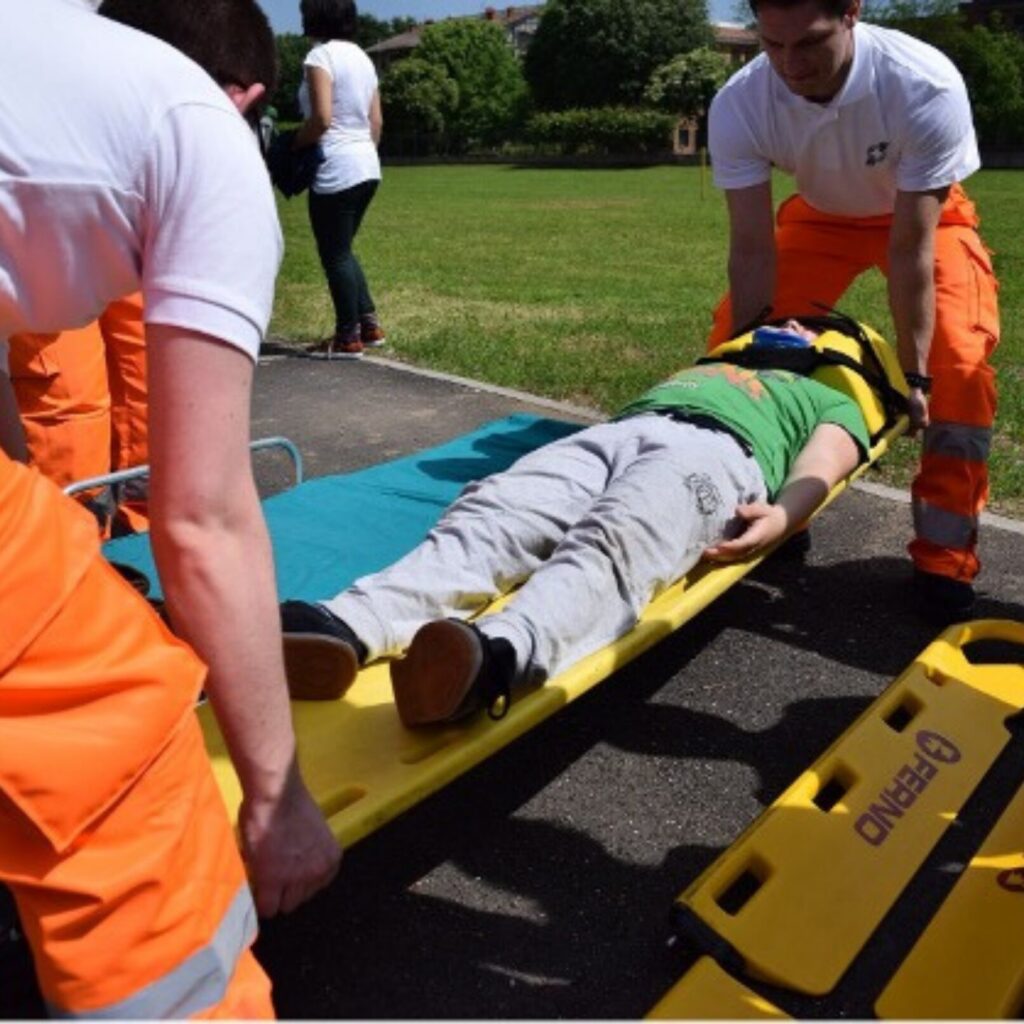
In serious cases, medical assistance may coordinate medical evacuation and repatriation. Evacuation involves moving the traveler to a facility with appropriate care. Repatriation may involve returning the traveler to their home country for continuing treatment once medically stable. Assistance can also support family communication, travel companion arrangements, and return of dependent children.
When Health Insurance Alone May Not Be Enough
Health insurance can be valuable, but relying on it alone can create gaps during international travel. The first gap is geographic. A domestic policy may have limited or no coverage outside the traveler’s home country. The second gap is administrative. Even if care is covered, the traveler may need to pay upfront, obtain medical reports, collect receipts, translate documents, and file claims later. The third gap is operational. A health insurance card does not necessarily tell the traveler where to go, which hospital is suitable, or how to arrange emergency transport.
Another important gap is evacuation. Standard health insurance may pay for treatment but not for medically supervised transport, air ambulance services, repatriation, or transfer to a more appropriate facility. For travelers visiting remote islands, mountain regions, developing destinations, or areas with limited specialist care, this can be a major exposure.
There are also exclusions to review. Policies may limit coverage for pre-existing conditions, adventure sports, alcohol-related incidents, destinations under travel advisories, elective procedures, routine care, or long-term treatment abroad. Before departure, travelers should ask: Does my policy cover overseas emergency care? Does it pay providers directly? Does it include medical evacuation? Is there a 24/7 assistance number? If the answer is unclear, additional protection may be needed.
Conclusion
Medical assistance and health insurance serve different but complementary roles. Health insurance focuses on financial coverage for eligible treatment, while medical assistance focuses on helping travelers access and coordinate care when medical problems happen abroad. For adults who travel around the globe, this distinction is critical. A policy may reimburse expenses, but it may not find the right hospital, coordinate a payment guarantee, monitor treatment, or arrange evacuation. The safest approach is to review your insurance carefully and ensure it is supported by reliable medical assistance services. Before your next trip, confirm what is covered, what is excluded, who to call, and how emergency support will work in real time.
FAQs
1. Is medical assistance the same as travel health insurance?
No. Medical assistance is a support service that helps coordinate care, referrals, hospital admission, telemedicine, and evacuation. Travel health insurance is a coverage product that pays or reimburses eligible emergency medical expenses during a trip.
2. Do I need medical assistance if I already have health insurance?
Yes, especially when traveling internationally. Health insurance may cover some costs, but it may not provide emergency medical assistance abroad, hospital referrals, translation support, medical monitoring, or evacuation coordination.
3. What does medical assistance usually include?
Medical assistance may include a 24/7 hotline, provider referrals, telemedicine, hospital admission support, payment coordination, medical case monitoring, evacuation, repatriation, and communication with family members or insurers.