
From Lost Passports to Medical Emergencies: What Travel Assistance Really Covers
Learn what travel assistance covers, from lost passports to medical emergencies, and how it supports safer global travel.
International travel offers opportunity, freedom, and discovery, but it can also expose travelers to unfamiliar systems when something goes wrong.
A lost passport, sudden illness, delayed baggage, language barrier, or cancelled connection can quickly become overwhelming when you are far from home.
This is where travel assistance becomes essential. Unlike a standard reimbursement-focused policy, travel assistance is designed to provide real-time coordination, guidance, and practical support during unexpected events. For adults who travel around the globe, the value is not only in financial protection; it is in knowing who to call, what to do next, and how to move safely through a stressful situation.
What Travel Assistance Means
Travel assistance refers to coordinated support services that help travelers handle emergencies, disruptions, and practical problems while away from home. It is often available through insurance providers, assistance companies, employers, travel memberships, or specialized service providers. The core purpose is simple: to connect the traveler with qualified help when local knowledge, language, documentation, or medical access becomes a challenge.
Travel Assistance vs. Travel Insurance
A common misunderstanding is that travel assistance and travel insurance are the same. They are related, but they serve different purposes. Travel insurance usually focuses on financial reimbursement for covered losses, such as eligible medical bills, trip cancellation, baggage delay, or interruption costs. Travel assistance focuses on real-time support: arranging care, locating hospitals, coordinating evacuation, helping replace documents, or guiding the traveler through urgent logistics.
Why the Difference Matters
When a traveler is injured abroad, reimbursement is not the first concern. The immediate need is knowing which hospital can provide suitable treatment, whether translation is available, how the family will be updated, and whether transport is medically necessary. Travel assistance services help solve those operational issues while insurance may later address eligible costs. This distinction is especially important for travelers visiting remote areas, countries with unfamiliar healthcare systems, or destinations where language barriers may delay urgent decisions.
Medical Emergencies Abroad
Medical emergencies are among the most important reasons travelers rely on travel assistance. Even a minor issue can become stressful when the traveler does not know where to go, whether the facility is reputable, or how to communicate symptoms. More serious situations, such as accidents, acute illness, or hospitalization, require careful coordination between local physicians, assistance teams, insurers, family members, and sometimes embassies or consulates.
Medical Referral and Hospital Support
A strong international travel assistance provider can help locate doctors, hospitals, dentists, pharmacies, or specialists. This may include appointment coordination, medical interpretation, and guidance on what documents to bring. In more complex cases, assistance teams may help with hospital admission guarantees or direct billing arrangements, depending on the plan and provider network.
Medical Evacuation and Repatriation
Medical evacuation assistance is critical when local facilities cannot provide adequate treatment. For example, the CDC notes that emergency transportation from a remote area to a high-quality hospital can cost more than $100,000. Assistance providers may coordinate ground ambulance, air ambulance, commercial stretcher transport, medical escorts, or repatriation after stabilization. This is not simply a booking task; it often requires medical review, flight clearance, receiving-hospital coordination, and continuous monitoring. For travelers with chronic conditions, seniors, adventure travelers, or expatriates, this level of support can be decisive.
Lost Passports, Documents, and Money
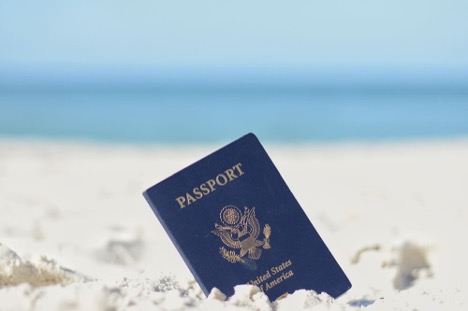
A lost passport abroad can disrupt flights, border crossings, hotel check-ins, and return travel. It can also create anxiety because every country has different procedures for police reports, consular appointments, emergency travel documents, and identity verification. Travel assistance helps travelers understand the next steps and reduces the risk of delay caused by missing information.
Lost Passport Assistance Abroad
Lost passport assistance abroad may include guidance on contacting the nearest embassy or consulate, preparing replacement-document requirements, arranging passport photos, locating translation support, and adjusting travel plans. While an assistance provider cannot issue a passport, it can help the traveler move through the process more efficiently. This is particularly valuable when the traveler is in transit, has a flight within 24 to 48 hours, or does not speak the local language.
Emergency Cash and Ticket Replacement
Travelers may also face stolen wallets, lost cards, missing tickets, or blocked accounts. Some travel assistance services can help coordinate emergency cash transfers, connect the traveler with banking resources, assist with credit card replacement, or help secure new travel documents and tickets. These services do not always mean the provider pays the expense automatically; often, assistance teams coordinate the transfer through the traveler’s family, employer, bank, insurer, or approved source of funds. Still, in a foreign country, that coordination can make the difference between being stranded and continuing safely.
Flight Rebooking and Hotel Coordination
When a flight is cancelled overnight, seat availability can disappear quickly. A 24/7 travel assistance hotline can help review alternate routes, coordinate hotel bookings, arrange ground transportation, and identify practical next steps. This is especially helpful for families, older travelers, business travelers with fixed commitments, or anyone managing multiple destinations. The provider’s role is usually coordination and guidance, while the traveler’s coverage terms determine whether costs are reimbursable.
Baggage Tracking Assistance
Lost or delayed baggage can create immediate problems when essential clothing, medication, mobility aids, or baby supplies are inside. Baggage tracking assistance may involve helping the traveler file reports with the airline, follow up on claim references, arrange delivery to a hotel, or identify where to purchase essentials. When luggage contains prescription medication or medical devices, the case may also involve medical and pharmacy support. This shows how travel assistance often connects different needs—logistics, medical access, and documentation—into one coordinated response.
Language, Legal, and Local Navigation Support
Travelers often underestimate how difficult it can be to solve basic problems in another country during a stressful moment. A hospital form, police report, rental car incident, or pharmacy instruction may require language support. In other cases, a traveler may need legal guidance after an accident, theft, detention, or dispute.
Who Benefits Most from Travel Assistance?
While any traveler can benefit from travel assistance, certain groups may need it more urgently. Frequent travelers face repeated exposure to disruption. Solo travelers may not have a companion to help coordinate care. Seniors and travelers with medical histories may need faster access to qualified providers. Families may need support for children, medication schedules, and rebooking decisions. Travelers with disabilities may require mobility-related coordination and accessible transport planning.
Business and Frequent Travelers
Business travelers often operate on strict schedules. A cancelled flight, lost passport, or sudden illness can affect meetings, projects, and client commitments. Travel assistance services help reduce downtime by coordinating practical solutions quickly.
Families, Seniors, and Travelers with Disabilities
Families may need help managing children during disruptions, while seniors may require medical monitoring, prescription replacement, or appropriate transport. Travelers with disabilities may benefit from advance planning, mobility aid guidance, airport assistance coordination, and local accessibility information. IATA guidance highlights the importance of consistent support for passengers with disabilities and mobility aids, reinforcing that accessible travel requires coordination before and during the journey.
How to Choose the Right Travel Assistance Services
Choosing the right provider requires more than looking for a long list of benefits. Travelers should review how the service actually operates, what is available 24/7, and whether support applies to the destinations and activities in their itinerary.
What to Look For Before You Travel
Look for a true 24/7 hotline, multilingual support, medical referral capability, medical evacuation coordination, lost passport assistance, baggage tracking, emergency cash coordination, and clear escalation procedures. For travelers visiting remote areas, check whether the plan includes medical evacuation assistance and whether it has access to a physician support center.
What to Check in the Fine Print
Read the limitations carefully. Some services coordinate help but do not automatically pay expenses. Others require the assistance provider to authorize medical evacuation or transport before costs are covered. Check destination exclusions, trip length limits, pre-existing condition rules, adventure activity exclusions, and whether direct hospital payment or admission guarantees are available. The best travel assistance solution is one that matches the traveler’s destination, health profile, activities, and risk tolerance.
Conclusion
Global travel is rewarding, but it becomes far more manageable when travelers have reliable support behind them. Travel assistance helps bridge the gap between unexpected problems and practical solutions, whether the issue is medical, logistical, legal, or document-related. From arranging medical referrals to coordinating lost passport assistance abroad, these services provide structure during moments when travelers may feel uncertain or overwhelmed.
FAQs
1. What does travel assistance usually cover?
Travel assistance usually covers real-time support such as medical referrals, hospital coordination, emergency travel assistance, lost passport guidance, baggage tracking, translation, legal referrals, and emergency cash coordination. Exact services depend on the provider and plan.
2. Is travel assistance the same as travel insurance?
No. Travel insurance generally reimburses eligible financial losses, while travel assistance services provide immediate coordination and guidance during a problem. Many travel protection plans include both.
3. Can travel assistance help with a lost passport abroad?
Yes. Lost passport assistance abroad can guide travelers on contacting embassies or consulates, gathering required documents, arranging translation, and adjusting travel plans. The provider cannot issue the passport but can help coordinate the process.